Multidesciplene Brown Field Engineering Services
Oil and Gas, Pipelines
EAMEC Oil&Gas devision provides a leading multidisciplinary BROWNFIELD engineering services specializing in the oil & gas and pipeline industries.
What We Do
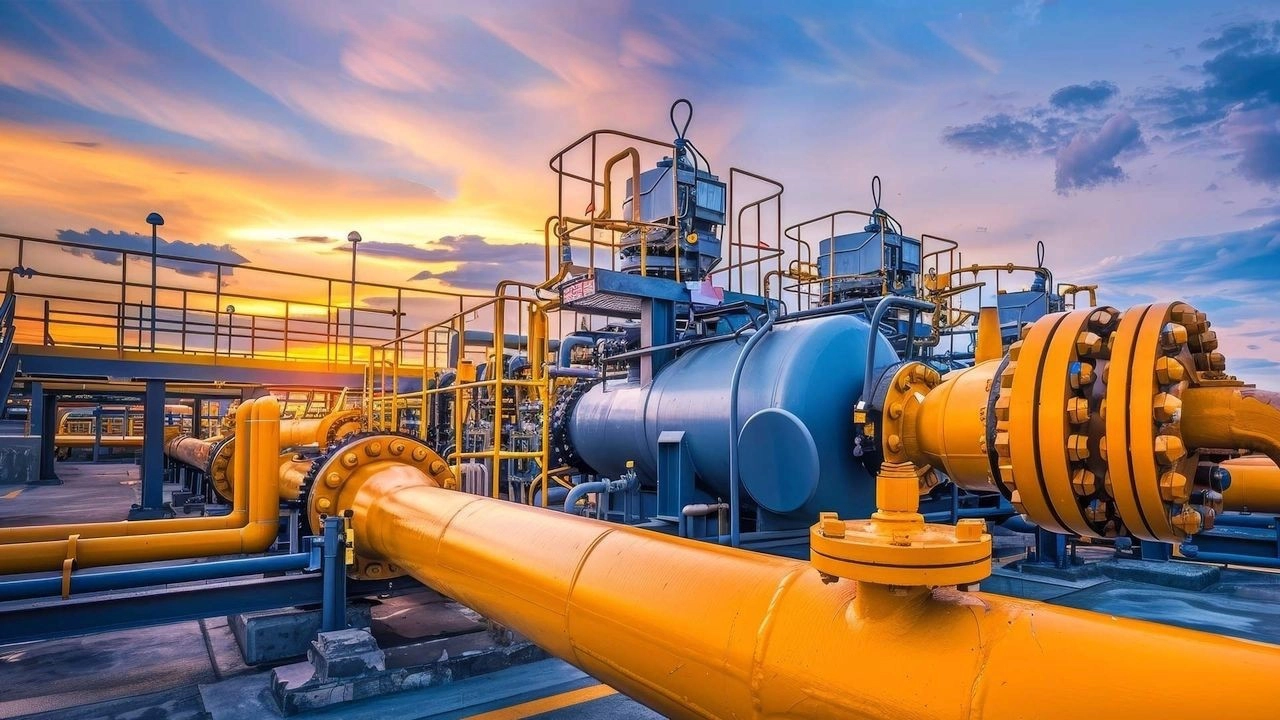
EAMEC Oil & Gas division provides a leading multidisciplinary BROWNFIELD engineering services specializing in the oil & gas and pipeline industries.Our expertise spans across project planning, design, construction, and operational support, ensuring the delivery of safe, efficient, and cost-effective solutions. From pipeline integrity management and facility design to risk assessments, regulatory compliance, and construction management, we provide end-to-end services tailored to meet the specific needs of our clients.Our integrated approach combines mechanical, electrical, civil, and process engineering to optimize performance, ENHANCED RELIABILITY, and drive operational excellence across the entire project lifecycle.”
Oil and Gas + Pipeline Services Offered At EAMEC
Mechanical and Piping Engineering, Including Specialized Stress Analysis
Dynamic Analysis, Vibration Study and Monitoring
Instrumentation and Control Engineering Services
Electrical Engineering Services
Engineering and Management of Change
Regulatory compliances and assessment services
1- Determine which regulations are relevant to your business
2- Identify the specific requirements you need to comply with
3- Conduct an initial internal audit. and gap analysis
4- Prepare report and recommendations
5- Establish and document compliance policies , standards and procedures
6- Provide compliance training to the client’s staffs
7- Constantly improve regulatory compliances
8- Leverage teach tools and data analytics
9- Incident resolutions

Steps for Engineering in Structural Support Projects
01- Project Initiation
Identify Structural Issues: Determining the need for structural support (e.g., due to design flaws, load changes, or structural deterioration).
Define Engineering Requirements: Establishing specific engineering objectives and requirements for resolving the deficiencies. After the data is collected, it will be reviewed by both piping and structural engineers to assess the current conditions against industry best practices and regulatory compliance standards. Then, potential engineering solutions and their feasibility will be evaluated.
02 - Preliminary Analysis
Initial Data Collection: Existing structural data and site conditions will be collected, along with relevant documents and drawings, such as Piping Layout Plans, Isometrics, and Line Lists.
Preliminary Load Analysis: Using the collected data and 3D laser scans, stress models are created for each station. Initial stress analyses, load calculations, and structural assessments are then carried out.
03- Conceptual Design/Modifications to the Existing Piping System
Develop Design Concepts: Initial design concepts and necessary modifications to the piping system will be evaluated based on the results of the stress analysis, focusing on static, expansion, and operationally overstressed piping routes.
Evaluate Alternatives: Various engineering solutions and modifications are applied to the stress model of the existing piping system and its structural supports, with the most viable option being selected for implementation.
Preliminary Design Review: Preliminary results are then presented to the client for further decision-making.
04-Site Visits and Preparation of Construction Work Packages (CWP)
Design Concepts: Initial design concepts and necessary modifications to the piping system will be evaluated based on the results of the stress analysis, focusing on static, expansion, and operationally overstressed piping routes.
Evaluate Alternatives: Various engineering solutions and modifications are applied to the stress model of the existing piping system and its structural supports, with the most viable option being selected for implementation.
Preliminary Design Review: Preliminary results are then presented to the client for further decision-making.
05 - Detailed Engineering Design and CWP IFR
Prepare the IFC Revision: All comments/required modifications in the design and proposed solutions will be implemented within the CWP and related drawings.
Final Review: A final review of the package is conducted to ensure all engineering requirements are met.
Project Handover: Project documentation and information are transferred to the client or owner.
06 - Design Validation and Client’s Comments
Design Review and Approval: Review of designs and proposed solutions with stakeholders and obtain necessary approvals.
Coordination and Discussions with Construction Contractors: Working with contractors to ensure understanding of design and requirements.
7 - Design Validation and Client’s Comments
Prepare the IFC Revision: All comments/required modifications in the design and proposed solutions will be implemented within the CWP and related drawings.
Final Review: A final review of the package is conducted to ensure all engineering requirements are met.
Project Handover: Project documentation and information are transferred to the client or owner.
8 - Construction Phase
Engineering Support: Ongoing engineering support is provided and address any issues that arise during construction.
9 - Project Completion
As-Built Documentation: If requested, as-built drawings and final engineering reports will be prepared and submitted.
Ready to Optimize Your Systems Reliability?
Our team is ready to help you with your next engineering challenge.
Contact us today for a consultation or to learn more about how we can support your business.